
Blog
Top Signs It’s Time for Home Siding Replacement
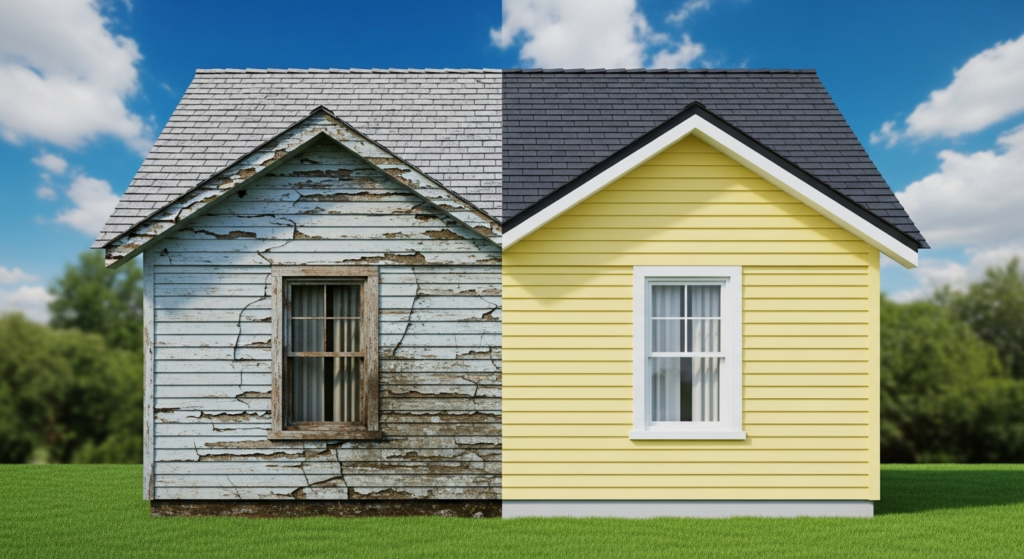
Your home’s exterior is the first thing people notice, and your siding plays a huge role in both its appearance and protection. Over time, all exterior materials wear down.
Are you wondering if it’s time for an upgrade? Recognizing the early signs of damage can save you from costly repairs down the road. Understanding your siding needs is the first step toward deciding if a replacement is the right solution for your home. Let’s explore the key signs that indicate it’s time for an upgrade.
Benefits of Replacing Your Home’s Siding
Replacing your home’s exterior is a significant home improvement project that offers numerous advantages. If you’re planning a home siding replacement, new exterior materials can dramatically enhance your home’s curb appeal, giving it a fresh, updated look that stands out. This visual upgrade can also increase its resale value, making it a smart investment if you plan to sell in the future.
Beyond aesthetics, modern exterior solutions can improve your home’s energy efficiency. Properly installed materials with new insulation help keep your home cooler in the summer and warmer in the winter, leading to lower utility bills. A well-executed home siding replacement is a practical upgrade that pays off in both comfort and savings.
Visible Cracks, Holes, or Physical Damage
Visible damage is one of the clearest signs you may need a replacement. Small cracks or holes might seem minor, but they can let moisture and pests get behind the surface, leading to bigger issues over time. These openings weaken your home’s protective barrier and can quickly turn into costly structural problems if ignored.
Look for:
Cracks or breaks in exterior boards
Small holes from pests or impacts
Chipped or splintered sections
Loose or missing panels
Material-Specific Signs of Siding Damage
Different exterior materials show damage in different ways. Vinyl panels may warp, buckle, or loosen due to heat, moisture, or poor installation. Wood cladding may crack, rot, split, or show signs of insect damage. Stucco can develop cracks, staining, or bubbling, while fiber cement may chip, crack, or absorb moisture if not properly sealed. Stone veneer may show loose pieces, mortar damage, or gaps where water can enter.
If any exterior material looks uneven, damaged, loose, or no longer sealed properly, it may be time to schedule an inspection. Catching these issues early can help prevent water intrusion, structural damage, and more costly repairs.
Frequent Maintenance or Peeling Paint
If you’re constantly repainting your siding, it may be a sign of a deeper issue. While some upkeep is normal, frequent repainting often means the surface is no longer holding paint properly. Peeling paint is usually caused by trapped moisture, especially in older materials. In many cases, ongoing maintenance becomes costly, making a home siding replacement a more efficient long-term solution.
Consider a replacement if you notice:
Paint that chips or peels quickly
Frequent repairs or patching
Needing to pressure wash often to maintain appearance
Fading, Discoloration, or Stains
Your home’s siding is constantly exposed to the elements, and over time, the sun’s UV rays can cause its color to fade. While some fading is normal, significant discoloration can make your home look old and worn, hurting its curb appeal. If the exterior has lost its vibrant color and appears dull, it may be time for an update.
Discoloration can also be uneven, creating a patchy or blotchy appearance. The extent of fading often depends on the material type and its quality. Persistent stains that don’t come off with cleaning may indicate that the protective finish has worn away.
While fading is primarily an aesthetic issue, it also signals that the material is aging and may no longer provide optimal protection. Replacing worn exterior materials not only restores your home’s appearance but also helps protect it from further damage.
Structural and Environmental Concerns
Beyond just looks, failing exterior cladding can lead to serious structural and environmental problems. When the outer material is cracked, loose, or warped, it can no longer protect your home from harsh weather. This allows water infiltration, which can cause wood rot, decay, and significant structural damage to your home’s framework.
These issues are more than just costly to fix; they can also create health risks. Moisture trapped behind exterior panels creates a perfect breeding ground for mold and mildew. If you’re considering a home siding replacement, addressing these problems early is key to protecting your home and your well-being.
Mold, Mildew, and Water Stains
Have you noticed dark spots or greenish growth on your home’s exterior? Mold, mildew, or water stains—especially near seams—are warning signs of trapped moisture and possible water infiltration. If you’re considering a home siding replacement, these issues may indicate deeper damage beneath the surface. When water gets behind the exterior material, it can damage insulation and structure, leading to rot and costly repairs.
Watch for these signs:
Mold or mildew on the surface
Dark stains that don’t wash away
A musty smell near exterior walls
Pest or Insect Damage
Your siding should act as a shield against pests, but when it’s damaged, it can become an open invitation for insects. Small holes, cracks, or missing sections create easy entry points for pests like termites and carpenter ants, which can cause serious damage to the structure underneath.
This problem is often hidden until it becomes severe. If you notice signs of insect activity—such as sawdust-like debris or unusual sounds—it’s important to act quickly. Harsh weather can make the damage worse, leaving your home more vulnerable.
Don’t ignore the risk. Damaged exterior materials can allow pests in and hide the extent of the infestation. Replacing compromised areas is essential to protect your home and prevent further issues.
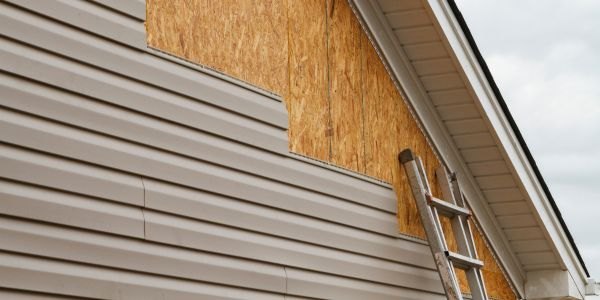
How Long Does Siding Last and When to Replace Siding on House
Every type of siding has an expected lifespan. Knowing how long your home’s exterior materials are designed to last can help you plan for a future replacement project. Factors like climate, maintenance, and material quality all play a role in longevity. Regular inspections can help you spot signs of aging before they become major problems.
Even with proper care, all exterior materials will eventually need to be replaced. When your home’s exterior is nearing the end of its projected lifespan, it’s wise to start budgeting and researching your options. Below, we’ll look at the typical lifespans of different materials and the signs that indicate it may be time for a replacement.
Expected Lifespan by Material
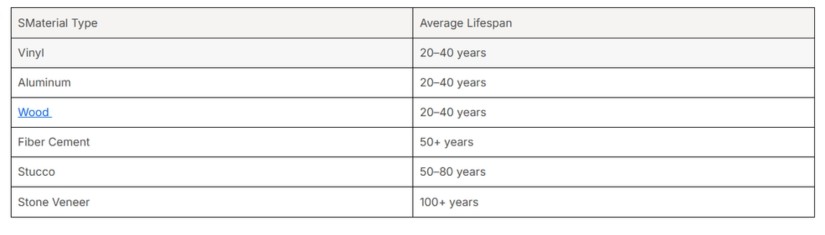
The lifespan of your home’s exterior largely depends on the material used. Different options come with varying levels of durability and maintenance needs. Vinyl siding, a popular and affordable choice, typically lasts between 20 and 40 years. Wood can last a similar amount of time, but it requires regular maintenance to reach its full potential.
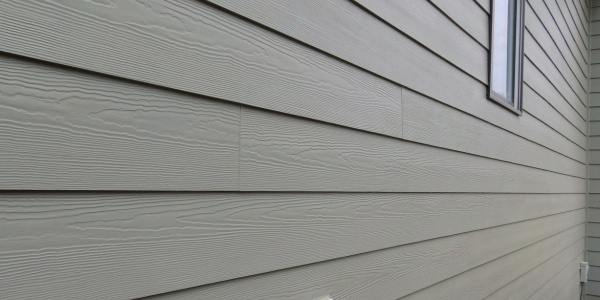
Fiber cement is known for its exceptional durability, often lasting 50 years or more with minimal upkeep. Other materials like stucco and stone veneer can last even longer, sometimes up to 100 years. Understanding these differences can help you choose the right option for your home’s exterior and long-term budget.
Here is a quick breakdown of average lifespans for common exterior materials:
Signs Your Siding Is Expired
Even without a major failure, your siding will show signs of wear over time. If you’re considering a home siding replacement, widespread brittleness is a key indicator. If exterior materials feel brittle, crack easily, or show signs of surface deterioration, they may no longer provide proper protection against weather and moisture. Another sign is when maintenance no longer helps. If repairs are becoming more frequent and less effective, it may be time for a home siding replacement instead of temporary fixes.
Watch for these signs:
Brittleness or chalking on the surface
Loose panels, sections, or exterior materials
Rusted or pulling fasteners
Repair vs. House Siding Replacement
When you discover siding problems, you face a common dilemma: should you repair the damaged sections or opt for a full replacement? For minor, isolated issues, a simple repair can be a cost-effective solution. However, if the damage is widespread or recurring, you might be better off investing in a complete replacement project.
Constantly paying for costly repairs can add up over time, eventually exceeding the cost of a full replacement. Extensive damage, old age, and underlying structural issues are all factors that lean toward replacement. Let’s look at when repairs are no longer sufficient and the benefits of a timely replacement for your home’s siding.
How to Choose the Best Siding Material for Your Home
- With so many options available, choosing the right one can feel overwhelming—especially if you’re planning a home siding replacement. The best material depends on your budget, style preferences, and local weather conditions. Some options, like wood, offer a classic look but require more maintenance than vinyl or fiber cement.
Your climate also plays a key role. For a successful home siding replacement, it’s important to choose a durable material that can handle your area’s weather. Professional installation ensures the best performance.
To make the right choice when you plan to change siding on house, consider:
Your budget
Your home’s architectural style
The level of maintenance you prefer
Key Takeaways
In summary, recognizing the signs that it’s time to replace your home’s exterior materials can help prevent more serious damage and costly repairs. Issues like cracking, fading, moisture intrusion, loose sections, mold growth, or material-specific deterioration may indicate that your home’s protective barrier is no longer performing properly.
Different materials age in different ways. Vinyl may warp or loosen, wood can rot or attract insects, stucco may crack or stain, and stone veneer can develop mortar or moisture issues. Identifying these warning signs early helps protect your home’s structure, energy efficiency, and curb appeal.
If you’re unsure whether repairs are enough or a full home siding replacement is the better long-term solution, a professional inspection can help determine the condition of your exterior and recommend the best next steps.
Frequently Asked Questions
How much does home siding replacement typically cost in the United States?
The cost of a home exterior renovation typically ranges from $8,000 to $30,000. The final price depends on factors like the size of your home, your choice of materials, and regional labor costs. Prices are often calculated per square foot and include both materials and installation. If you’re planning to replace siding on house, getting a detailed estimate from a contractor is recommended.
Does replacing home siding increase property value?
Yes, upgrading your home’s exterior is a valuable improvement project that can significantly increase property value. According to the Cost vs. Value Report, homeowners can recoup a large portion of their investment through enhanced curb appeal and higher resale value, making it a worthwhile upgrade. Many homeowners consider change siding on house projects as a strategic long-term investment.
Can I install new siding myself, or should I hire professionals?
While a DIY exterior renovation project is possible, professional installation is highly recommended. Replacing siding on a house requires specialized tools, knowledge of building permits, and expertise to ensure the job is done correctly. Hiring professionals guarantees a high-quality result and often includes a workmanship warranty.
When Replacing Siding on a House Becomes Necessary?
If your home shows signs like cracking, warping, fading, moisture damage, loose materials, mold growth, or frequent maintenance issues, it may be time to consider a replacement. Addressing these problems early can prevent more costly structural damage in the future.
If you’re unsure whether it’s the right time, the best next step is a professional inspection. Contact North Contracting & Roofing for a detailed evaluation and expert guidance on the best solution for your home.