
Blog
Summer Home Maintenance Checklist: Roof, Siding & Gutters

Why a Summer Home Maintenance Checklist Matters
Following a summer home maintenance checklist is one of the best ways to keep your property in top shape. Taking preventive action before a small issue becomes a major, expensive problem is key to smart homeownership. Tasks like inspecting fire extinguishers, testing your HVAC systems, and checking appliances are essential parts of a yearly maintenance plan. A well-planned seasonal approach ensures you don’t miss critical tasks. While summer is ideal for focusing on the exterior of your home, it’s also a great time to stay consistent with your overall home maintenance checklist. This habit protects your investment and provides peace of mind, keeping your home safe and ready for the season ahead.
Essential Roof Maintenance Tasks
Your roof is your home's first line of defense against the elements, making its upkeep a priority in any yearly home maintenance plan. Summer is an excellent time to look for potential leaks, especially around the chimney, and address them before they cause significant damage. A quick inspection can save you from major headaches and costly repairs later. For those with a fireplace, it's also a good opportunity to check the chimney for any creosote buildup, which can be a fire hazard. Addressing these simple roof-related tasks ensures your home remains protected. Now, let’s explore how to conduct a thorough inspection and keep your roof clean.
Inspecting for Damage and Wear
Start by inspecting your roof from the ground. Look for cracked, curling, or missing shingles—common signs that can lead to leaks. Pay close attention to areas around vents, skylights, and chimneys, where water damage often begins. Check the flashing to ensure it’s secure and free of rust or gaps, as damaged flashing is a major cause of leaks. If you have a chimney, look for cracks or buildup. Also inspect gutters and downspouts for damage or sagging. Keeping them in good condition helps direct water away from your home and prevents costly issues.
Cleaning and Preventing Debris Build-Up
Keeping your roof free of debris helps prevent moisture buildup, moss growth, and early damage. Leaves and branches can trap water and shorten your roof’s lifespan. Remove debris using a leaf blower or soft broom, and avoid pressure washing, which can damage shingles. Also check your gutters—clogs can lead to leaks and water damage.
To keep your roof in good condition:
Trim overhanging branches
Clean gutters regularly
Schedule professional cleaning if you notice moss or algae
Siding Care and Protection Tips
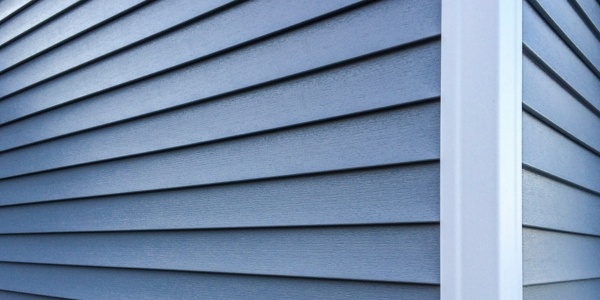
Your home's siding protects it from sun, wind, and rain, but it needs care to do its job effectively. As part of your home maintenance checklist, checking your siding for issues is essential. Look for signs of mildew growth, especially in shaded, damp areas. It’s also a good idea to trim shrubbery that is too close to the house, as this can trap moisture against the siding.
While you're checking the exterior, it's also a good moment to think about indoor safety. Ensure your carbon monoxide detectors are working and check on your water heater. Simple siding care can prevent bigger problems, so it's important to stay consistent with your maintenance routine.
Checking for Cracks, Warping, and Fading
A thorough inspection of your siding is a crucial step in preventing water from infiltrating your home. Walk around your house and carefully look for any cracks, chips, or gaps in the siding panels. Small cracks can allow moisture to seep behind the siding, leading to rot and mildew. Pay close attention to areas around windows and doors, where seals can deteriorate over time.
Warping or bulging siding is another red flag. This often indicates that water has already gotten underneath and is causing the material to swell or buckle. If you notice this, it’s important to identify the source of the moisture leak and address it promptly. Fading is more of a cosmetic issue but can be a sign that the protective coating on your siding is wearing thin, making it more vulnerable to the elements.
This is also a good opportunity for new homeowners to familiarize themselves with their home's exterior. While you're inspecting the siding, make it a habit to also check your carbon monoxide detectors and the area around your water heater for any signs of trouble. Consistent checks are the best way to prevent costly repairs.
Cleaning Techniques for Different Siding Materials
Cleaning your siding helps improve curb appeal and prevents long-term damage from dirt, grime, and mildew. In most cases, a simple mix of soap and water with a soft brush works well. Always rinse from top to bottom to avoid streaks.
For tougher stains, like mildew, a mix of water and vinegar can be effective. You can use a pressure washer on a low setting for some materials, but be careful—high pressure can cause damage. When in doubt, start with the gentlest method.
Here’s how to clean different materials:
Vinyl: Use mild detergent and a soft brush, then rinse thoroughly.
Wood: Clean with soap and water; avoid pressure washing.
Fiber cement: A soft brush and mild soap are usually enough.
Brick: Use a brush and hose; for tough stains, consider a brick cleaner.
Gutter Maintenance for Summer Storms
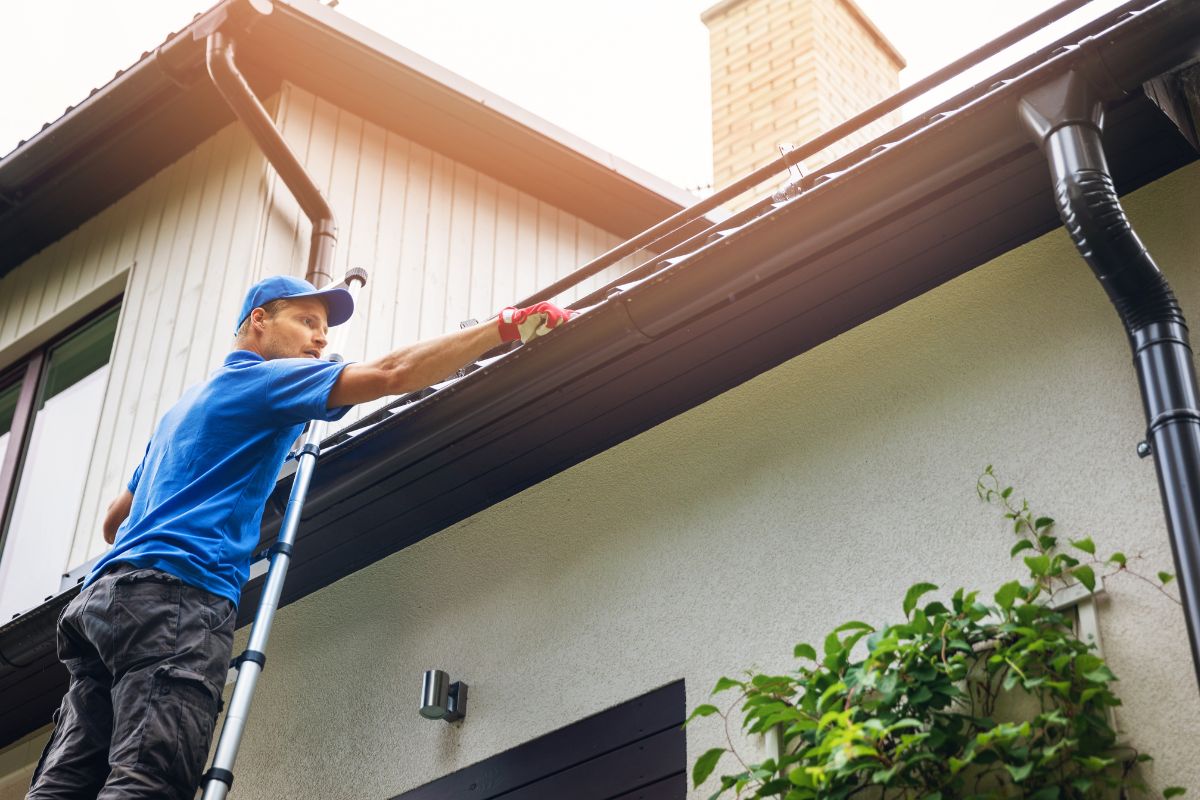
Summer storms can bring heavy rainfall, and your gutters are essential for managing all that water. As part of your home maintenance checklist, it is crucial to ensure your gutters and downspouts are clear and functioning correctly. Clogged gutters can lead to water overflow and pooling around your foundation, potentially causing serious damage.
Taking the time to check your gutters before storm season is a smart move. A simple cleaning can prevent a host of problems, from leaks to roof damage.
Clearing Clogs and Ensuring Proper Drainage
Your gutters help direct water away from your home, but debris like leaves and twigs can quickly cause clogs. Remove buildup by hand or with a small tool, starting at the downspouts and working along the gutter line. Once cleared, flush the system with a garden hose to check for proper drainage. If water drains slowly, there may still be a blockage that needs attention.
To keep your gutters working properly as part of your home exterior maintenance:
Install gutter guards
Trim overhanging branches
Clean gutters at least twice a year
How to Create a Summer Home Maintenance Schedule
Creating a summer home maintenance schedule helps you stay organized and avoid costly repairs. Instead of waiting for issues to appear, planning ahead allows you to take care of essential tasks at the right time.
Start by listing key areas to inspect, such as your roof, siding, gutters, and HVAC system. Then, break tasks into a simple timeline—some should be done monthly, while others can be completed once during the season.
A well-structured home maintenance schedule ensures nothing is overlooked and keeps your home in great condition throughout the summer.

Conclusion
In summary, a comprehensive summer home maintenance checklist is essential for protecting your roof, siding, and gutters. Regular home exterior maintenance helps prevent costly repairs and ensures your home remains safe and comfortable year-round.
By staying consistent with these tasks, you not only improve your home’s appearance but also extend its lifespan and value. If you need expert support, contact North Contracting & Roofing for professional guidance and reliable service.
Frequently Asked Questions
What should you know about a homeowners maintenance checklist?
First-time homeowners should prioritize yearly home maintenance. Focus on keeping the chimney clean, clearing the dryer vent, and inspecting siding and gutters regularly. These simple chores prevent water damage and other costly issues, ensuring your new home stays in great condition from the start.
What are the key benefits of regular roof, siding, and gutter care?
Regular care of your roof, siding, and gutters prevents water damage, extends your home's lifespan, and improves curb appeal. These chores also help you spot issues like termites early. It's much simpler than dealing with major repairs to your foundation or a faulty garage door opener later.
What should be included in a house maintenance checklist?
A house maintenance checklist should include tasks like inspecting your roof, cleaning gutters, checking siding, and maintaining HVAC systems. Regular inspections and seasonal upkeep help prevent costly repairs and keep your home in good condition year-round.