Blog
How Energy Efficient Siding Lowers Summer Cooling Costs
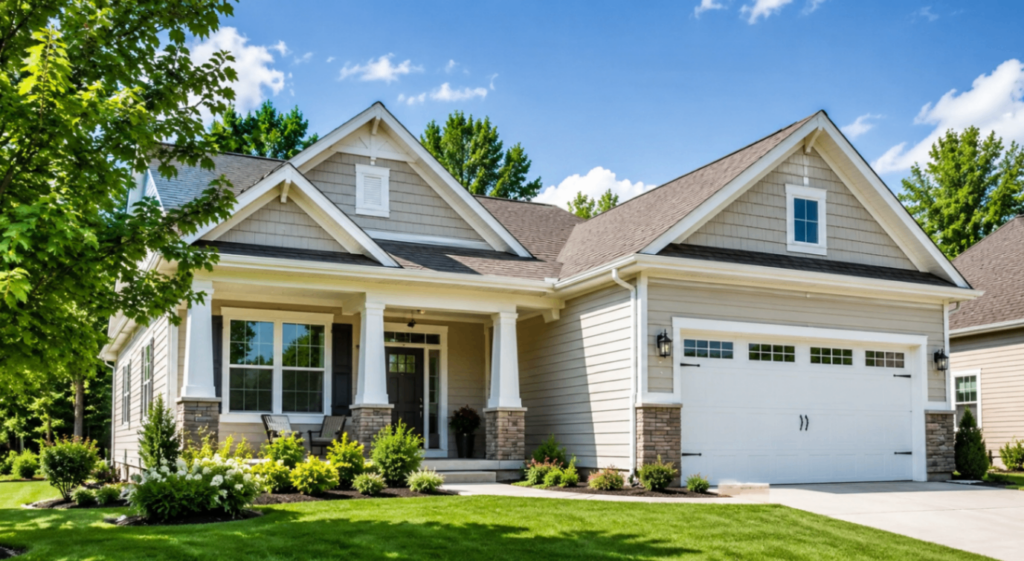
Are you always looking for ways to reduce high summer cooling costs? While many homeowners focus only on their HVAC system, the exterior of the home also plays a major role in maintaining indoor comfort and improving a home’s overall efficiency. Upgrading to energy efficient siding can help reduce heat transfer, lower power usage, and create a more comfortable home during hot summer months.
Modern cladding materials not only improve visual appeal and aesthetics, but also create a protective barrier that helps keep cool air inside and harsh summer heat outside. Here are some of the biggest advantages:
Investing in new materials improves your home’s overall efficiency and can lead to significant energy savings on summer utility bills.
Insulated exterior options add a layer of thermal resistance to your outer walls, reducing unwanted heat flow.
Modern cladding materials help seal your home, preventing cool air from escaping and reducing strain on your HVAC system.
Choosing lighter-colored or reflective siding can help keep your home cooler by minimizing heat absorption from the sun.
Upgrading your home exterior not only lowers energy costs but also enhances your home’s curb appeal and value.
Homeowners can explore additional cooling and insulation recommendations through ENERGY STAR.
Energy Efficient Siding Benefits
Energy efficient siding is designed to improve your home's insulation and minimize the transfer of heat. During hot summer months, this means it works to block the sun's heat from penetrating your walls, helping to keep your home naturally cooler. This improved thermal performance directly impacts your home's energy efficiency.
How Insulated Siding Minimizes Heat Transfer?
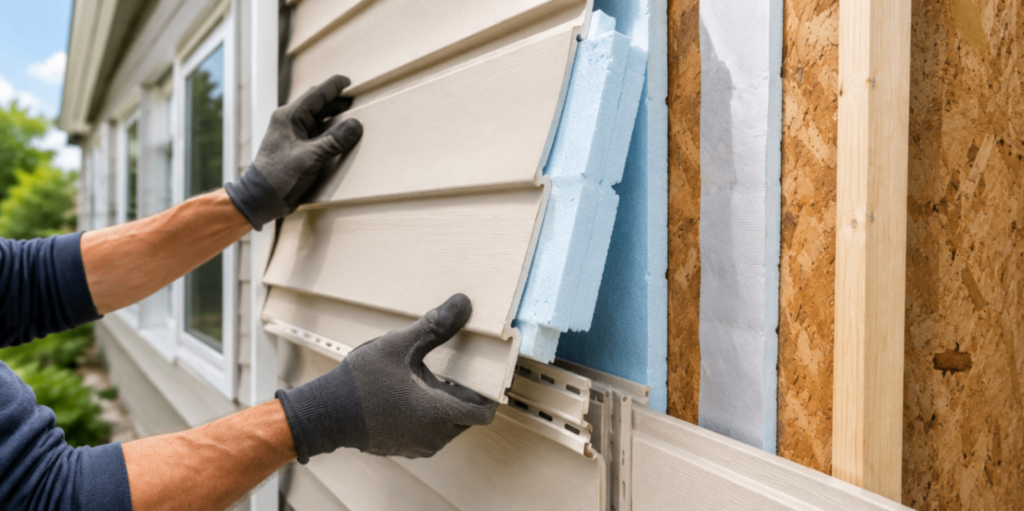
Insulated siding with a layer of foam insulation improves thermal performance and reduces energy usage. This added insulation helps maintain cooler indoor temperatures during summer, reduces cooling demands on HVAC systems, and improves indoor comfort while lowering monthly utility costs.
Here are some insulation recommendations from The Insulation Institute.
Reflective Materials and Summer Cooling
Exterior color and material affect how much solar heat a home absorbs. Darker colors retain more heat, while lighter and reflective materials help keep indoor temperatures cooler and reduce cooling demands.
Some modern materials include reflective properties. These materials use special pigments or coatings that reflect solar radiation away from the surface, even in darker shades. This technology helps keep exterior surfaces cooler, which in turn supports more comfortable indoor temperatures and contributes to utility bill savings.
Comparing Siding Materials for Energy Efficiency
When it comes to boosting your home's energy efficiency, not all cladding materials are created equal. Your material choice affects how well your home resists summer heat. Options like fiber cement, composite exterior panels, and metal finishes each offer unique properties that affect thermal performance
Insulated Vinyl Siding Cost vs Regular Siding
Standard vinyl exterior panels are a popular choice for their durability and low maintenance requirements, but they offer little insulation on their own. Traditional vinyl cladding has a low R-value, meaning it does little to prevent heat transfer. Insulated vinyl exterior systems, however, include a solid foam backing that significantly improves thermal performance.
This added foam layer increases the material’s R-value, creating a thermal barrier that helps keep homes cooler during the summer and warmer throughout the winter. While insulated vinyl products typically come with a higher upfront cost than standard vinyl options, the long-term reduction in energy bills often makes the investment worthwhile.

Many homeowners compare insulated vinyl siding cost with long-term cooling savings when choosing the best option for their home.
Best Siding for Summer
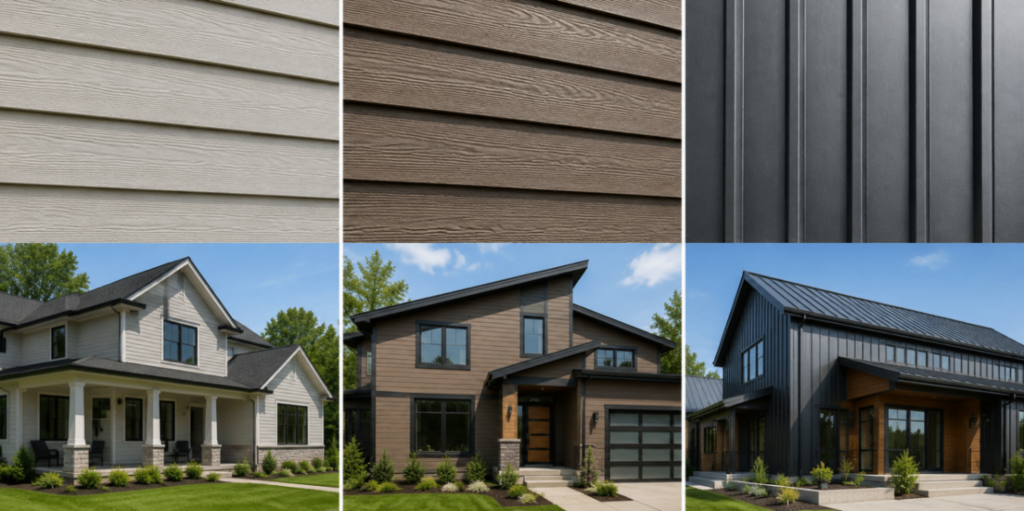
When comparing options, choices like fiber cement siding, composite materials, and metal siding deliver strong thermal performance. Fiber cement provides excellent insulation, improves indoor comfort, and resists extreme weather better than traditional wood materials. Composite and engineered wood products made with cellulose or wood fibers offer the appearance of natural wood while helping reduce utility demands and costly repairs.
Key energy efficiency features to look for in siding
When choosing siding, look beyond color and style. To maximize efficiency and reduce your home's cooling demands, you need to understand a few key technical features. The R-value is one of the most critical factors, as it directly measures the material's ability to insulate.
R-value and thickness considerations
The R-value is a measurement of a material's thermal resistance, or its ability to prevent heat from passing through it. When it comes to exterior cladding, a higher R-value means better insulation. Standard exterior materials like wood or vinyl have a very low R-value, typically less than 1.
To achieve utility savings, look for insulated exterior options. These products integrate rigid foam insulation, which can boost the total R-value of your walls. Thicker panels generally provide better insulation. For example, some insulated exterior products can add an R-value of 2 to 5 to your wall system.
When comparing products, always check the manufacturer's specified R-value. Choosing exterior materials with higher thermal resistance is a direct investment in a more comfortable and better-insulated home, as it helps maintain your indoor temperature without overworking your HVAC system.
The U.S. Department of Energy also provides guidance on insulation performance and home efficiency improvements.
Moisture and air leak control
True energy efficiency is about more than just insulation; it also involves effective moisture control and preventing air leaks. If moisture gets behind your exterior cladding, it can damage your home's structure and reduce the effectiveness of your insulation, leading to higher energy costs. Modern exterior systems are designed to manage water and direct it away from your walls.
A crucial component of this system is a house wrap. This weather-resistant barrier is installed underneath the exterior panels to stop both water and air from penetrating your walls, while still allowing moisture vapor to escape. Preventing air leaks helps keep cooled air inside during summer.
Features such as reflective materials and rigid foam insulation contribute to lower energy consumption while also improving curb appeal and long-term home value, making it a smart long-term investment that can save on labor costs over years of experience with harsh weather conditions.
According to the EPA Indoor Air Quality Guide, proper moisture control and ventilation can also improve indoor air quality.
Frequently Asked Questions
Does energy efficient siding lower cooling costs?
Yes. Energy efficient siding can improve insulation and reduces heat gain, helping HVAC systems work more efficiently, lowering summer cooling costs.
How much does insulated siding cost?
Insulated siding usually costs more upfront than standard materials because of the added insulation layer. However, many homeowners offset the higher cost through long-term savings.
Does insulated siding increase home value?
Yes. Upgrading exterior materials can improve curb appeal, energy efficiency, and overall home value, making the property more attractive to potential buyers.
Does new siding lower energy bills?
Yes. The right choice of sidings along with installation can improve home efficiency and reduce overall consumption. This supports better conservation, lower utility costs, and decreases the environmental impact of your home’s exterior.