Blog
Storm damage & roof repairs: Essential tips for homeowners
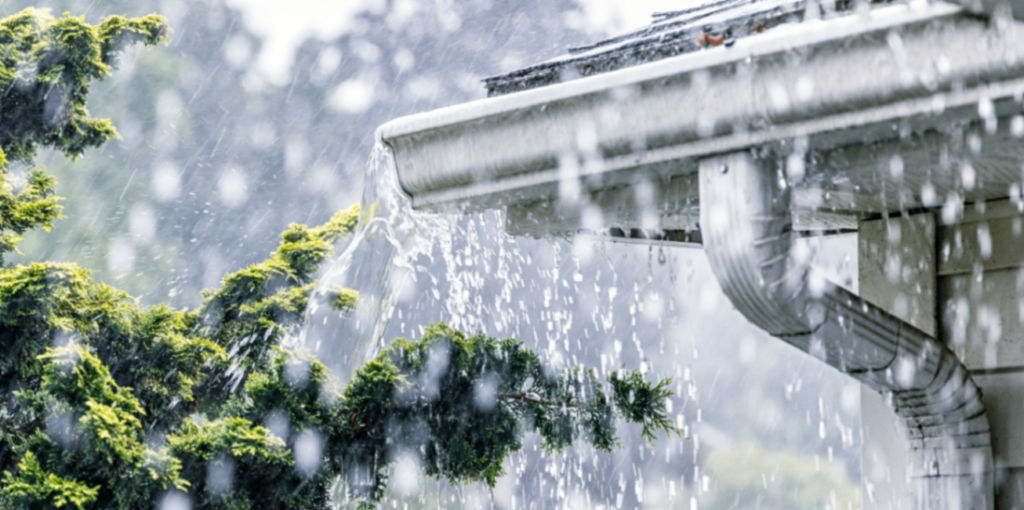
Roof and Gutter Repair Basics
Summer storms can put serious stress on your home’s exterior, making storm damage roof repair an essential part of seasonal home maintenance. Roof and gutter repair helps prevent water damage, structural issues, and costly emergency fixes that often result from unchecked storm impacts. Preparing early is the most effective way to protect your home during storm season and reduce long-term repair costs. A well-planned seasonal approach ensures you don’t miss critical tasks. While summer is ideal for focusing on the exterior of your home, it’s also a great time to stay consistent with your overall home maintenance checklist. This habit protects your investment and provides peace of mind, keeping your home safe and ready for the season ahead.
Key maintenance steps include:
Inspect roofs for damage, such as missing shingles
Keep gutters clean to prevent clogging and overflow
Check for interior signs like ceiling stains or moisture
Address small issues before they become major repairs
Hire a professional roofer for accurate maintenance work
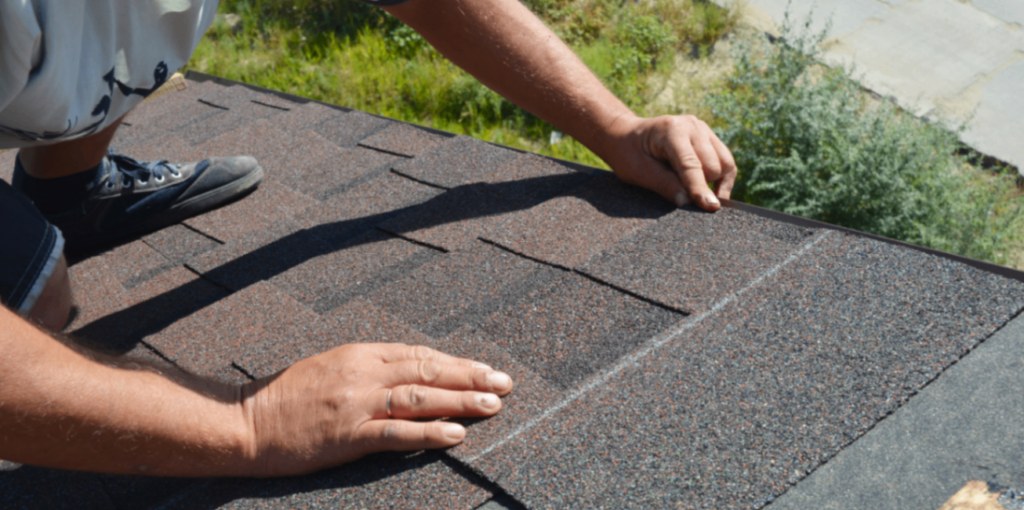
According to NOAA, summer storms often bring heavy rain and strong winds, increasing the risk of damage. Preventative maintenance reduces long-term repair costs and helps avoid full roof replacement.
What are the first signs of storm damage on a roof?
Common warning signs include missing or lifted shingles, damaged flashing, and granules collecting in gutters, which may also signal issues requiring roof and gutter repair.
Homeowners should know how to check the roof for storm damage, including looking for roof impacts, debris, and interior water stains. These signs often point to hidden leaks that may require roof leak repair if left untreated.
Storms can also affect drainage systems, making gutter replacement and repair necessary when gutters are sagging, clogged, or pulling away from the home. Early detection helps prevent costly structural damage.
How to check roof for damage after a storm?
Summer storms, with their heavy rainfall and strong winds, place immense pressure on your home. These harsh weather conditions can compromise your roof's ability to protect your home, leading to immediate damage or weakening it over time. Even small vulnerabilities can quickly escalate into significant structural issues if left unaddressed. Early roof and gutter repair can help prevent minor storm-related issues from turning into major structural damage.
A well-functioning gutter system is crucial for directing rainwater away from your house. When gutters are clogged or damaged, they fail to provide proper drainage. This can cause water to back up onto the roofing, leading to rot and other forms of structural deterioration.
Storm Damage Roof Repair
Storm damage roof repair is needed when wind, hail, or heavy rain compromises the exterior system, even in minor cases. Common problems include missing shingles, damaged flashing, water intrusion, and structural weakening from debris impact. High winds can loosen shingles without removing them, creating hidden leaks that lead to wood rot and interior deterioration.
Timely repairs help prevent small issues from turning into costly structural problems and often require combined roof and gutter repair to fully restore protection. A professional roofing contractor can also identify hail deterioration, granule loss, and hidden wind issues before problems spread into the roof deck or attic structure. Thorough documentation is important when filing a homeowners' insurance claim or working with an insurance adjuster after severe storms.
Roof leak repair: Signs homeowners should never ignore
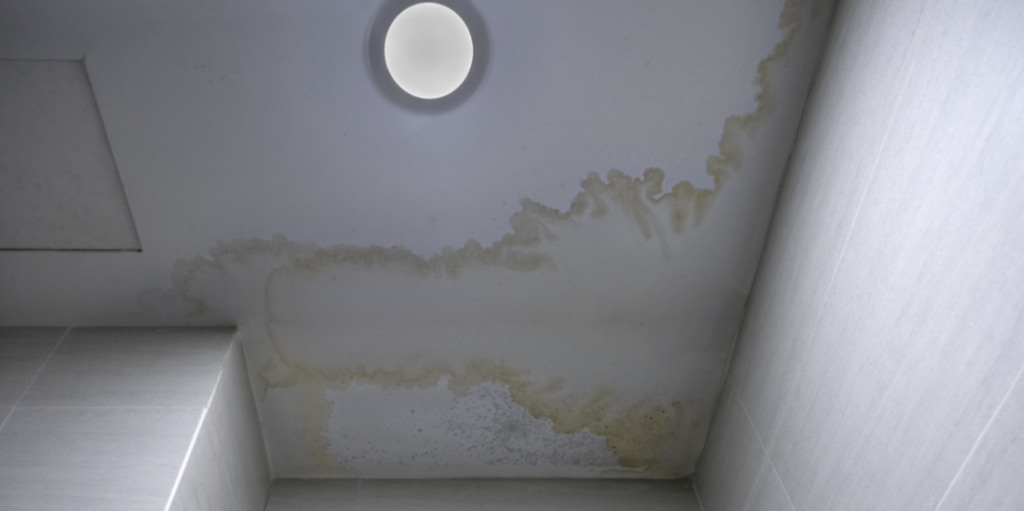
Recognizing early signs helps prevent interior harm and mold growth. Leaks often start small and spread unnoticed.
Key warning signs include:
Water stains on ceilings or walls
Damp insulation in the attic
Musty odors in upper rooms
Peeling paint near the roofing lines
Dripping during rainfall
Water spots on drywall or near plumbing vents can also signal hidden water leaks after severe weather. Leaks often form around weak points such as vents, chimneys, or damaged shingles. Water may travel along structural beams before becoming visible indoors. If any of these signs appear, immediate inspection is recommended to prevent worsening damage.
Gutter replacement and repair
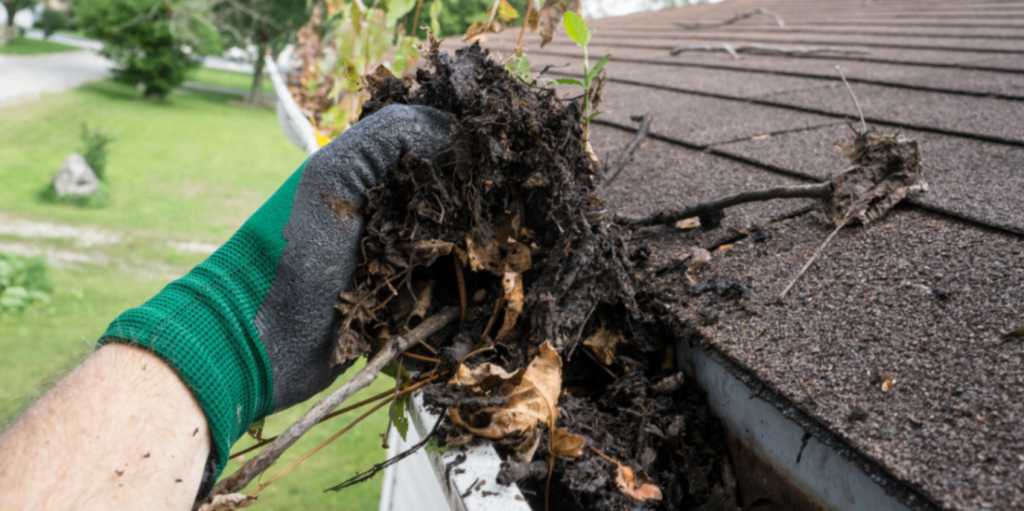
Gutter replacement and repair are essential steps for protecting your home’s foundation. Gutters control water flow and prevent pooling around the home. Common gutter problems include:
Sagging or detached sections
Clogs from leaves and debris
Rust or cracking
Poor slope or drainage
Overflow during storms
Clogged gutters can force water under shingles, increasing the risk of roof rot. Overflow also contributes to soil erosion and foundation damage. In some cases, cleaning is enough. In others, full replacement is required to restore proper drainage and prevent long-term damage.
Preventing roof leaks, moss, and flashing damage before storm season
Preventing leaks is more effective than repairing them. Regular maintenance reduces storm-related risks.
Best practices include:
Cleaning gutters twice per year
Removing debris regularly
Inspecting flashing and seals
Checking the attic after heavy rain
Ensuring proper drainage away from the home
Roof and gutter systems work together. If gutters fail, water can damage roofing layers and structure.
How do homeowners check shingles and attic areas after hail storms?
Preparing roofs for storm season involves inspecting shingles for wear, trimming overhanging branches, clearing roofing debris, and checking attic ventilation. These steps help identify early damage, reduce repair costs, and strengthen your roofing system against wind and heavy rain during severe weather. Tree branches scraping against asphalt shingles during storms can leave dents and weaken roofing materials over time.
Moisture trapped inside attic spaces can also lead to mold growth, wood rot, and insulation damage after severe storms. Homeowners should inspect ventilation areas, check for damp materials, and monitor for musty odors after hail or heavy rainfall. Early detection helps reduce long-term structural deterioration and improves overall roofing performance during storm season.
Storm activity can be monitored using Weather.com or AccuWeather.com before scheduling inspections.
Homeowners can also review emergency preparedness guidance from the American Red Cross before storm season.
Maintenance is key to prevent emergency roof leak repairs
Preventative maintenance helps avoid roofing leak repair emergencies and costly deterioration. Clean gutters regularly to prevent water backup and trim overhanging branches to reduce storm impact during high winds. After heavy rain, check the attic for leaks or moisture and ensure proper ventilation. An annual inspection helps catch issues early before they turn into major problems or full replacement.
These steps help you stay ahead of problems and avoid a premature roof replacement. Homeowners can also review storm preparedness recommendations from Ready.gov before the hurricane and summer storm season begins.
Gutter maintenance checklist
A clean and functional gutter system is essential during storm season. Regular maintenance prevents overflow and water damage.
Follow this checklist:
Remove leaves and debris from gutters
Flush gutters with water to test flow
Check downspouts for blockages
Ensure gutters are securely attached
Inspect for cracks or rust spots
Water should flow freely through the system. Any backup or overflow indicates an issue that may need gutter tools and supplies from The Home Depot or professional help. Installing gutter guards can also reduce debris and improve long-term performance.
Cleaning debris for proper water flow
Clear debris like leaves and twigs to prevent blockages and water overflow. Flush gutters and downspouts with water to ensure proper flow away from the home. Clean at least twice a year and check for hidden clogs. If needed, hire a professional for gutter replacement and repair or maintenance.
Why is gutter maintenance so important?
Routine gutter maintenance helps improve drainage and reduces the risk of overflow during heavy storms. Blocked or damaged gutters often lead to problems that require storm damage roof repair, including water backing up under shingles and causing hidden roof leaks. Regular upkeep also reduces the need for gutter replacement and repair, since small issues like clogs or minor sagging can be fixed early.
Proper maintenance is also an important part of how to check the roof for storm damage, since overflowing gutters are often one of the first visible signs of a problem after severe weather.
Checking for loose, cracked, or damaged gutter sections
After cleaning, inspect gutters for loose sections, cracks, rust, or sagging. Look for separation from the fascia, impact damage, and proper slope for drainage. Check seams and ensure water flows toward downspouts. Small issues may require leak restoration, while severe damage may need full gutter replacement and repair.

Preparing gutters and exterior surfaces for storms helps prevent water damage and supports roof and gutter repair when needed. Regular checks reduce the risk of storm-related exterior issues and leak repair, while improving early detection of problems and extending system lifespan. Consistent inspections and timely repairs can help homeowners avoid expensive emergencies during severe weather seasons.
Frequently asked questions
When to call a professional for roof repair?
You should call a professional roofer if you see significant signs of damage after a storm, such as numerous missing shingles or a tree limb on your home’s covering. If you suspect you have a roof leak, it's best to get an expert opinion. Most professionals offer a free estimate.
How do professional inspections help prevent major repairs?
Professional, regular inspections are crucial because an expert can spot subtle warning signs you might miss. They identify the underlying issue behind a problem, not just the symptom. This allows for targeted restoration services that prevent small issues from turning into major, costly repairs down the line.
How can you protect your home investment long-term?
To extend the life of your roof, commit to biannual regular inspections and clean your gutters each spring and fall to ensure proper drainage. Address any needed restoration services promptly to avoid costly issues in the future. This consistent care is the best way to protect your home and your investment.