
Blog
How Much Does a New Roof Cost, and can you finance it?
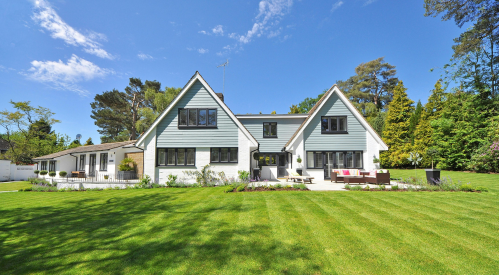
A new roof is one of the most significant investments you can make in your home. It not only enhances your property’s curb appeal but also plays a crucial role in protecting your home from the elements. A well-maintained roof prevents water damage, mold growth, and structural issues, ultimately saving you money on costly repairs down the line.
Additionally, a new roof can increase your home’s value and improve energy efficiency, making it a smart choice for homeowners. Understanding the overall roofing costand the financing options available can help you make an informed decision for your home’s future.
In this blog, we’ll provide an overview of the cost of a new roof and the key factors that influence the cost of roof replacement. We’ll also explore how the roof repair cost compares to a full replacement and what homeowners can realistically expect to pay based on their needs.. Whether you’re considering a roof replacement due to wear and tear or simply want to enhance your home’s value, this guide will equip you with the information you need to make informed decisions.
Cost of a New Roof
Factors Affecting Cost:
A new roof cost can vary widely depending on several key factors. Understanding what affects the cost of a roof replacement can help homeowners plan their roof project more accurately and avoid unexpected expenses.
Materials:
- One of the biggest factors influencing the roofing cost is the type of material selected. Options such as an asphalt shingle roof, architectural shingles, metal roofing, or a slate roof each come with a different cost. Homes that require premium materials typically see a higher average cost, but these materials often offer increased durability, longevity, and aesthetic value.
At North Contracting & Roofing, we help homeowners evaluate material options based on performance, appearance, and budget, ensuring the roof installed meets both functional and long-term needs.
Size and Design:
- Roof size and complexity also play a major role in what a roof typically costs. Larger roofs or those with complex designs require more materials and labor, increasing the overall cost to replace the roof. Roofing measurements are often calculated per 100 square feet, commonly referred to as roofing squares, which helps standardize pricing across projects.
Current Roof Condition:
- The condition of your existing roof can significantly impact the average roof replacement cost. If structural repairs or tear-off work are required before a new roof is installed, these additional steps will increase the final price.
Labor and Location
- Labor costs and regional pricing differences also influence what homeowners can expect to pay. Roofing costs may vary depending on local market conditions, availability of skilled labor, and regional building codes that must be met during installation.
Price Range:
- While roofing costs vary based on materials, roof size, and labor, many homeowners want a general idea of what to expect. Based on national data, the average cost of a new roof typically falls within a broad range. For many homes, the cost of a roof replacement can range from about $5,000 to $20,000, depending on the scope of the project and the materials selected.
It’s important to note that this is only an estimate. The actual average roof replacement cost for your home may be higher or lower based on your location, roof complexity, and local labor costs. Working with a trusted roofing contractor ensures you receive an accurate, customized estimate for your specific needs.
Financing Options
There are several financing options available to help homeowners manage the cost of a new roof, depending on their financial situation and long-term goals.Choosing the right financing option depends on factors such as urgency, budget flexibility, and how long you plan to stay in your home.If the roof damage is urgent, you may be limited to faster, higher-interest options like credit cards or emergency loans. For a proactive replacement, you have time to find lower-interest options like a HELOC or home improvement loan.
Budget dictates your monthly payment. Paying cash is the cheapest, but most homeowners need a loan. Determine a comfortable monthly payment; a longer term means lower monthly payments but more total interest, while a shorter term has higher payments but saves on interest.
Finally, how long you plan to stay matters. If you plan to move soon, a short-term loan or 0% APR offer is best to minimize pre-sale interest. For a “forever home,” a longer-term, lower-interest option, like refinancing your mortgage, offers the most stable and lowest overall payment. Understanding these three factors is key to a sound financial solution.
- Personal Loans: Many homeowners opt for personal loans to cover roofing costs, especially when they want fixed monthly payments and a clear payoff timeline.
- Home Improvement Loans: Some banks and lenders offer loans specifically designed for renovation projects, often with competitive interest rates compared to standard personal loans.
- Credit Cards: While not typically recommended due to high interest rates, credit cards can be useful for smaller roofing expenses or emergency repairs when immediate action is required.
- Contractor Financing: At North Contracting & Roofing, we offer direct financing options to make your roofing project more manageable. As a trusted roofing company, we walk you through available plans after providing a detailed estimate, helping you choose the option that best fits your financial situation and budget.
Benefits of Financing a New Roof
Financing a new roof allows homeowners to move forward with a necessary replacement without delaying the project due to upfront costs. Considering that roofing prices can vary from the national average depending on materials, labor, and location, financing provides flexibility while protecting your home.
A new roof is a major investment with highly variable prices based on materials, labor complexity, and location. Because of this high upfront cost, securing financing is a practical necessity for many homeowners. Financing offers the flexibility to undertake this vital home improvement immediately, which is instrumental for protecting the structural integrity of your entire home from weather damage and avoiding far more costly repairs later.
Therefore, exploring options like home equity loans, personal loans, or contractor financing is a key step in managing the expense while ensuring the immediate and long-term protection of your home.
- Increase Property Value: A new roof can significantly enhance your home’s value and appeal to future buyers.
- Energy Efficiency: Modern roofing materials can improve insulation and help reduce long-term energy costs.
- Prevent Major Damage: Replacing an aging roof avoids future issues such as leaks or structural damage that could lead to higher repair expenses over time.
Tips for Choosing the Right Financing:
- Research Interest Rates: Compare financing plans and repayment options to find the most competitive rate for your situation.
- Read the Fine Print: Make sure you understand repayment terms, fees, and any potential penalties.
- Evaluate Your Budget: Consider what you can comfortably afford on a monthly basis without straining your finances.
Having a clear understanding of your financing options allows you to move forward with confidence, without delaying necessary roof work.Having a clear understanding of your financing options is paramount, as it allows you to move forward with the necessary confidence to address essential roof work without unnecessary delay.
A damaged or aging roof is more than just an aesthetic issue; it’s a critical structural component protecting your home from water intrusion, mold, and long-term structural decay. Postponing necessary repairs or replacements can dramatically escalate costs in the future, turning a manageable project into an emergency crisis.
By exploring various financing avenues—such as home equity loans, personal loans, contractor-specific financing, or even leveraging credit card options (with caution)—homeowners can secure the funds needed to immediately tackle the job. This proactive approach ensures the longevity and safety of your home, prevents secondary damages that arise from leaks, and ultimately safeguards your largest asset.
Understanding the full spectrum of options, including interest rates, repayment schedules, and the total cost of borrowing, empowers you to select the solution that best fits your financial situation, thereby eliminating the stress and risk associated with delaying vital roofing maintenance.
Conclusion
Making an informed decision about replacing your roof is crucial, especially when it comes to understanding the associated costs and financing options. A well-planned approach can save you money in the long run and enhance the value of your home. Taking the time to fully understand your options and working with experienced roofing professionals ensures you choose the best solution for your needs, leading to a successful and stress-free roofing project.
At North Contracting & Roofing, we’re here to provide you with expert advice, a free estimate, and flexible financing plans tailored to your needs. Don’t hesitate to reach out today to start your roofing journey with us!
Contact us today to get started with confidence and move forward with a roofing solution you can trust.